
The £100,000 Cliff Edge
If you earn over £100,000 per year, the amount of tax you pay goes up dramatically. Here, we talk about how you might be able to ask your employer to pay your bonuses to your pension, rather than as a bonus to avoid the hefty extra tax.

One of the most punitive marginal tax rates is triggered if your salary goes over £100,000. This is when more than half of any extra pound you earn goes to the taxman.
The reason for this, is because the £12,570 personal income allowance is eroded at a rate of £1 for every £2 earned over £100,000. This happens until it is lost altogether once you earn £125,140.
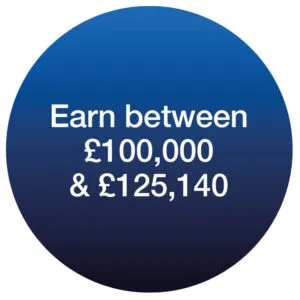
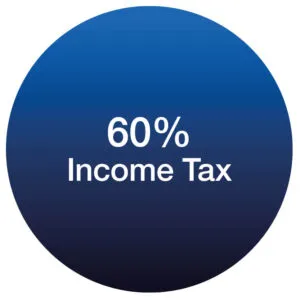
This gives anyone earning between £100,000 and £125,140 a marginal income tax rate of 60%.
Which is broken down as 40% to income tax and another 20% from losing the personal allowance.
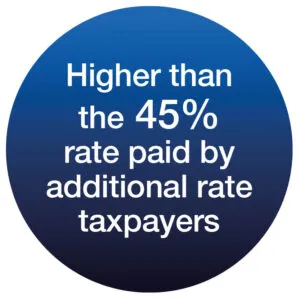
This marginal rate is higher than the 45% rate paid by additional rate taxpayers, which kicks in at £125,141.
Jason Hollands, Wealth Manager, from Evelyn Partners said:
“This is one of the biggest tax traps and can be a real sting in the tail of a pay increase or bumper bonus.”
A parent who earns more than £100,000:
 loses their tax-free childcare – which is worth £2,000 per child each year;
 will also lose 15 of the 30 hours a week of free care – that is available for three and four-year-olds;
and lose 15 hours available to eligible two-year-olds
The removal of childcare support is not tapered and is taken away completely as soon as a parent earns £1 over £100,000.

Hollands said: “For anyone who might end up in the 60% tax zone it may be better to ask your employer if you can forgo some or all of the bonus or salary increase and instead get more employer pension contributions. This will reduce your tax liability while boosting your retirement fund.”
Someone earning £95,000 who had a £5,000 pay rise and a £10,000 bonus would have a total income of £110,000
They would pay £6,000 extra income tax on their bonus. (40% on the £10,000 plus an extra £2,000 income tax as a result of losing £5,000 of their personal allowance)
If they asked their employer to make a £10,000 contribution to their pension instead of the bonus, their income would remain below the £100,000 threshold and they would simply pay 40% tax on the extra £5,000.